
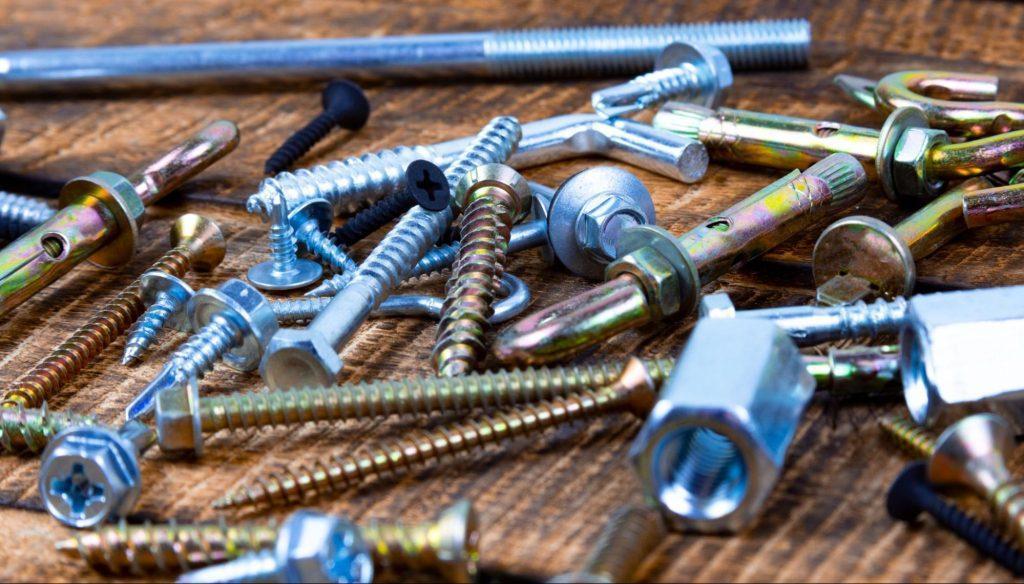
The material of a fastener plays a major role in its strength, corrosion resistance, cost, and suitability for different environments. While many fasteners may look similar, the material choice can significantly affect performance and service life.
Here’s a simple overview of the most common fastener materials and where they’re typically used.
Carbon Steel
Overview:
Carbon steel is the most widely used fastener material due to its strength and affordability.
Key benefits:
- High strength
- Cost-effective
- Widely available
Limitations:
Prone to corrosion without protective coatings
Typical uses:
Construction, machinery, automotive, general industrial applications
Stainless Steel
Overview:
Stainless steel fasteners contain chromium, which provides excellent corrosion resistance.
Key benefits:
- Rust-resistant
- Good appearance
- Low maintenance
Limitations:
- Lower strength than some alloy steels
- Higher cost
Typical uses:
Food processing, marine environments, chemical plants, outdoor installations
Alloy Steel
Overview:
Alloy steel fasteners are heat-treated to deliver high strength and durability.
Key benefits:
- Very high tensile strength
- Excellent fatigue resistance
Limitations:
Requires coatings for corrosion protection
Typical uses:
Heavy machinery, structural applications, automotive and industrial equipment
Brass
Overview:
Brass fasteners are valued for their corrosion resistance and electrical conductivity.
Key benefits:
- Non-magnetic
- Good corrosion resistance
- Attractive finish
Limitations:
Lower strength than steel
Typical uses:
Electrical components, plumbing, decorative applications
Other Common Materials
- Bronze: Excellent for marine and corrosive environments
- Aluminum: Lightweight and corrosion-resistant
- Specialty alloys: Used in extreme temperature or chemical conditions
Choosing the Right Material
When selecting a fastener material, consider:
- Environmental exposure
- Load and strength requirements
- Industry standards
- Cost and availability
Final Thoughts
Selecting the right fastener material is just as important as choosing the right size or grade. Understanding these basics helps ensure reliable performance, longer service life, and reduced maintenance costs.

